Beard Transplant Turkey
+90 554 893 64 79
info@microfueturkey.com
For a beard transplant consultation in Turkey, contact our team by phone, WhatsApp or email.
Micro FUE Turkey provides information about beard transplant options in Turkey. Consultations and beard transplant procedures are carried out in Eyüpsultan, Istanbul. Suitability, treatment planning, expected outcomes and recovery vary by individual. Contact our team to arrange a consultation and confirm appointment details.
Whatsapp contactGet a Free Quote & Consultation
by filling out this form
Beard Transplant Turkey – Office Relocation Announcement
Exciting News: We’ve Moved to a New Office!
We are pleased to announce that, as of December 22, 2025, Beard Transplant Turkey has relocated to a new office location in Eyüpsultan, Istanbul.
This move represents an important step forward as we continue to grow and enhance the quality of service we provide to our international patients.
📍 New Office Address
📍 Address
🏢 Defterdar, Degirmen Street No: 17/2
🛗 Floor: 3
📮 34050 Eyupsultan
🌍 Istanbul, Turkey
Please update your records accordingly for all correspondence, consultations, visits, and deliveries.
Our team remains fully operational, and we are committed to ensuring a smooth transition with no disruption to our services. Should you have any questions or require assistance, feel free to contact us at any time.
Thank you for your continued trust and support.
We look forward to welcoming you at our new office location.
Beard Transplant Turkey Team

Beard Transplant in Turkey
Beard Transplant in Turkey – Redefine Your Look with Micro FUE Excellence
With the increasing popularity of well-groomed beards as a symbol of confidence and style, many individuals with patchy or thin facial hair are turning to beard transplants as a permanent solution. Beard Transplant Turkey

Beard Transplant Turkey
Turkey has become a sought-after destination for this procedure, thanks to its skilled surgeons and affordable prices. Our experienced team at Beard Transplant Turkey is dedicated to delivering natural and impressive results, ensuring that each patient achieves the desired thickness and shape of their beard. Beard Transplant Turkey
Trust us to provide a successful and satisfying beard transplant experience in Turkey.

Beard Transplant Turkey – Micro Fue Turkey in recent years, the idea of a perfectly groomed beard has become a symbol of masculinity, confidence, and style. However, not everyone is blessed with a naturally thick and well-shaped beard. For those struggling with patchy or thin facial hair, a beard transplant in Turkey offers a viable and effective solution. Turkey has emerged as a popular destination for individuals seeking to enhance their facial hair through this surgical procedure, providing natural and impressive results.
Beard Transplant Turkey is a surgical procedure that has gained popularity in recent years. The desire for a well-groomed and thick beard has become a symbol of masculinity, confidence, and style. However, not everyone is fortunate enough to have naturally thick and well-shaped facial hair. Beard Transplant Turkey
For individuals struggling with patchy or thin beards, opting for a beard transplant in Turkey can offer an effective solution. Turkey has emerged as a favored destination for this procedure, providing natural and impressive results. Beard Transplant Turkey
What is Beard Transplant?
A beard transplant is a cosmetic procedure designed to enhance or restore facial hair in areas where growth is sparse, patchy, or nonexistent. This treatment is popular among men who desire a fuller beard, mustache, or sideburns. The procedure typically involves taking hair follicles from a donor area, usually the back or sides of the scalp (where hair is thicker), and transplanting them into the beard area. Beard Transplant Turkey
Procedure Overview:
- Consultation: The surgeon assesses the desired beard shape and the donor area.
- Donor Hair Extraction: Hair follicles are harvested from the scalp using techniques such as FUE (Follicular Unit Extraction) or FUT (Follicular Unit Transplantation).
- Hair Grafting: The extracted follicles are transplanted into the beard area through tiny incisions made to create the desired shape and density.
- Healing: After the procedure, there may be some redness and swelling, but these typically subside within a few days. The transplanted hair will begin to grow naturally.
Benefits:
- Permanent Solution: The transplanted hair behaves like natural beard hair and continues to grow. Beard Transplant Turkey
- Customizable Results: Patients can choose their preferred beard style, density, and coverage.
- Minimal Scarring: Advanced techniques like FUE leave minimal scarring in both the donor and transplant areas.
Ideal Candidates:
- Men with patchy or thin beards.
- Individuals with scarring or burns that have affected beard growth.
- Those who have experienced hair loss due to genetic factors or hormonal changes.
Recovery:
- Most patients can resume regular activities within a few days, with full results visible in 6–12 months as the hair follicles settle and grow naturally.
Beard transplants offer a long-lasting solution for achieving a fuller, more defined facial hair appearance. Beard Transplant Turkey
Causes of Beard Hair Loss
Beard hair loss, or patchy beard growth, can result from several factors, ranging from genetics to medical conditions. Below are some common causes:
1. Genetics
- Hereditary Factors: Just like scalp hair, beard hair thickness and growth patterns are heavily influenced by genetics. Some men are predisposed to sparse or uneven beard growth due to their DNA. Beard Transplant Turkey
2. Hormonal Imbalance
- Testosterone and DHT: Beard growth is largely controlled by testosterone and dihydrotestosterone (DHT). Low levels of these hormones can lead to thin or patchy beard growth.
- Androgen Sensitivity: Variations in how facial hair follicles respond to androgens (like DHT) can also cause uneven beard development.
3. Alopecia Areata
- Autoimmune Disorder: This condition causes the immune system to attack hair follicles, leading to sudden patchy hair loss, including in the beard area. Beard alopecia is a common manifestation of this condition. Beard Transplant Turkey
4. Stress
- Telogen Effluvium: Extreme stress can disrupt the hair growth cycle, pushing hair follicles into a resting phase, resulting in shedding or thinning of beard hair. This condition is usually temporary.
5. Infections
- Fungal Infections: Conditions like tinea barbae (ringworm of the beard) can cause patchy hair loss, redness, and inflammation in the affected areas.
- Folliculitis: Infections of the hair follicles, often caused by bacteria, can lead to inflamed or damaged follicles, resulting in hair loss.
6. Trauma or Scarring
- Injuries and Burns: Physical trauma to the face can damage hair follicles, leading to permanent hair loss in the affected areas.
- Surgical Scars: Scarring from facial surgeries can also impair the ability of hair to grow in certain areas of the beard. Beard Transplant Turkey
7. Nutritional Deficiencies
- Vitamin and Mineral Deficiency: Lack of essential nutrients like iron, zinc, biotin, and vitamins A, D, and E can negatively impact hair health and contribute to beard hair thinning or loss.
8. Aging
- As men age, testosterone levels naturally decline, which can slow down beard hair growth or cause thinning.
9. Skin Conditions
- Eczema or Psoriasis: These inflammatory skin conditions can affect beard hair growth, leading to patchiness due to skin irritation and damage to hair follicles.
10. Chemotherapy or Radiation Therapy
- Cancer treatments like chemotherapy can cause widespread hair loss, including in the beard area. Beard Transplant Turkey
Addressing beard hair loss often involves treating the underlying condition, balancing hormones, or opting for a beard transplant to restore lost hair.
Eligibility Criteria for a Beard Transplant
To determine if someone is eligible for a beard transplant, several factors are considered by the surgeon. Below are the key eligibility criteria:
1. Sufficient Donor Hair
- Adequate Hair Supply: The patient must have a good supply of healthy hair follicles in the donor area, typically the back or sides of the scalp. These follicles are extracted and transplanted to the beard area. If the donor hair is too sparse or weak, a beard transplant may not be possible. Beard Transplant Turkey
2. Age
- Maturity of Beard Growth: Men in their mid-20s or older are typically more suitable candidates, as facial hair growth patterns often stabilize by this age. Younger men may still be in the process of developing a full beard, and transplanting too early may not yield optimal results.
3. Stable Health Condition
- General Health: The patient should be in good overall health, with no serious underlying medical conditions that could impair healing or increase the risk of complications. Chronic conditions like uncontrolled diabetes, heart disease, or autoimmune diseases might affect eligibility. Beard Transplant Turkey
- Non-Smoker: Smoking can negatively impact blood circulation and delay healing, so candidates are often advised to quit smoking for some time before and after the procedure.
4. No Active Skin or Scalp Conditions
- Skin Health: The donor and recipient areas must be free from infections, severe acne, eczema, or other dermatological conditions that could interfere with the procedure or healing process. Beard Transplant Turkey
5. Realistic Expectations
- Patient Expectations: Candidates should have realistic expectations regarding the results of the beard transplant. The goal is to improve beard density and coverage, but the outcome may vary depending on factors such as the quality of the donor hair and the area being covered.
6. Causes of Beard Hair Loss
- Suitable Candidates: Men experiencing beard hair loss due to genetic factors, trauma, or previous hair loss conditions (such as alopecia) are ideal candidates. However, those with ongoing autoimmune conditions, like active alopecia areata, may not be eligible, as the condition could cause the transplanted hair to fall out again.
7. Hormonal Balance
- Stable Hormones: Since beard growth is influenced by testosterone and DHT (dihydrotestosterone), patients with severe hormonal imbalances may need to address these issues first. However, those with mild imbalances may still be suitable for the procedure. Beard Transplant Turkey
8. Commitment to Post-Operative Care
- Follow-Up Care: Candidates must be willing to follow post-operative care instructions, including medications, avoiding strenuous activities, and following grooming guidelines to ensure proper healing and hair growth.
9. No Recent Hair Transplant Procedures
- Spacing Between Surgeries: If a patient has recently undergone a hair transplant or similar procedure, they may need to wait a few months before being eligible for a beard transplant to allow for full recovery.
Meeting these criteria increases the likelihood of a successful beard transplant. It’s important to consult a specialized surgeon who will evaluate each individual case to determine the best course of action. Beard Transplant Turkey
Beard and mustache transplantation, improving beard and mustache growth
A beard and mustache transplant is a cosmetic procedure that involves transplanting hair follicles from a donor area (typically the scalp) to the facial area to enhance or restore beard and mustache growth. Below is a detailed breakdown of the procedure:
1. Consultation and Planning
- Initial Consultation: The surgeon evaluates the patient’s facial hair, skin type, and donor area to assess suitability for the procedure. During this consultation, the patient can discuss their desired beard and mustache shape, density, and style.
- Designing the Beard/Mustache: The surgeon maps out the areas where the grafts will be placed, ensuring natural-looking results. This includes designing the beard lines, mustache, and sideburns, depending on the patient’s preferences.
2. Donor Hair Extraction
There are two primary techniques for extracting hair follicles from the donor area:
- FUE (Follicular Unit Extraction): The most common method for beard and mustache transplants. Individual hair follicles are extracted one by one from the back or sides of the scalp using a micro-punch tool. FUE leaves minimal scarring and allows for quicker recovery. Meeting these criteria increases the likelihood of a successful beard transplant. It’s important to consult a specialized surgeon who will evaluate each individual case to determine the best course of action. Beard Transplant Turkey
- FUT (Follicular Unit Transplantation): This technique involves removing a strip of skin containing hair follicles from the donor area. The strip is dissected into individual grafts, which are then transplanted. FUT may leave a linear scar but is less commonly used for facial transplants due to scarring concerns.
3. Preparing the Recipient Area
- Anesthesia: Local anesthesia is applied to both the donor and recipient areas to ensure the patient feels no discomfort during the procedure.
- Making Incisions: The surgeon creates tiny incisions or slits in the facial skin where the hair follicles will be implanted. These incisions are made at specific angles and directions to mimic natural hair growth and ensure the beard or mustache looks authentic.
4. Graft Placement
- Transplanting the Follicles: The harvested hair follicles are carefully implanted into the incisions. Each follicle is placed individually to achieve the desired density and pattern. Depending on the size of the area to be covered, this step can take several hours.
- Density and Coverage: The surgeon ensures that the density of the transplanted hair matches the natural beard or mustache growth, avoiding a “plugged” or unnatural appearance.
5. Post-Procedure Care
- Immediate Recovery: After the procedure, the transplanted area may be slightly red or swollen, and tiny scabs may form around each graft. These typically heal within 5–7 days.
- Avoiding Grooming: Patients are advised to avoid shaving or trimming the transplanted area for at least 10–14 days to allow the grafts to settle.
- Medications: The surgeon may prescribe painkillers, antibiotics, or anti-inflammatory medications to reduce discomfort and prevent infection.
6. Healing and Hair Growth
- Initial Shedding: It’s normal for the transplanted hairs to fall out 2–3 weeks after the procedure. This is a natural part of the hair growth cycle, known as “shock loss.”
- New Hair Growth: New beard and mustache hair will begin to grow after about 3 months. Full results are usually visible between 6 and 12 months post-procedure, as the new hair continues to grow and thicken. Meeting these criteria increases the likelihood of a successful beard transplant. It’s important to consult a specialized surgeon who will evaluate each individual case to determine the best course of action. Beard Transplant Turkey
7. Follow-Up Appointments
Monitoring Progress: The surgeon will schedule follow-up appointments to monitor healing and hair growth. Adjustments or touch-ups can be discussed if necessary.
Procedure Duration:
- Timeframe: A beard and mustache transplant typically takes 4–8 hours, depending on the size of the area being treated and the number of grafts required.
Benefits of Beard and Mustache Transplant:
- Natural-Looking Results: The transplanted hair grows naturally, allowing patients to shave and groom the beard and mustache as desired.
- Permanent Solution: Once the new hair grows, it is permanent and behaves like natural facial hair. Meeting these criteria increases the likelihood of a successful beard transplant. It’s important to consult a specialized surgeon who will evaluate each individual case to determine the best course of action. Beard Transplant Turkey
This procedure is ideal for men who struggle with patchy facial hair or want a fuller, more defined beard and mustache.
Preparations Before a Beard Transplant
Before undergoing a beard transplant, patients should follow these preparation guidelines to ensure optimal results:
Follow Surgeon’s Instructions: Any pre-surgery instructions, such as fasting or special skin preparations, must be followed closely. Meeting these criteria increases the likelihood of a successful beard transplant. It’s important to consult a specialized surgeon who will evaluate each individual case to determine the best course of action. Beard Transplant Turkey
Medical Consultation: A thorough consultation with the surgeon is essential to assess beard goals, discuss medical history, and evaluate the donor area.
Avoid Smoking and Alcohol: Stop smoking and avoid alcohol at least 1–2 weeks before the procedure, as they can impair healing and blood circulation.
Medications: Discuss any medications you’re currently taking with the doctor, as certain blood thinners or supplements may need to be paused before surgery.
Hair Length: The donor area may need to be trimmed, but the surgeon will provide specific instructions on how short the hair should be before the procedure.
No Caffeine: Avoid consuming caffeine on the day of the surgery, as it can increase sensitivity and bleeding.
Beard Transplant Turkey Techniques
There are two main techniques used for beard transplants, both involving the extraction of hair follicles from a donor area (usually the back of the scalp):
FUE (Follicular Unit Extraction):
- Process: Individual hair follicles are harvested using a small punch tool and then transplanted to the beard area.
- Benefits: Minimally invasive, leaves tiny, virtually undetectable scars, and has a shorter recovery time.
- Popularity: FUE is the most common technique used for beard transplants due to its precision and natural results.
FUT (Follicular Unit Transplantation):
Drawbacks: Leaves a linear scar in the donor area and has a longer recovery time compared to FUE. Beard Transplant Turkey
Process: A strip of skin containing hair follicles is removed from the donor area, and individual follicles are extracted from the strip and transplanted.
Benefits: Can extract a large number of follicles in one session, which may be beneficial for large areas.
Duration and Recovery Process
Duration:
- The procedure usually lasts between 4–8 hours, depending on the number of grafts required and the size of the beard area.
- Local anesthesia is administered to ensure comfort during the procedure.
Recovery Process:
Resume Normal Activities: Most patients can resume normal activities within a few days but should avoid shaving, direct sunlight, or strenuous activity for 2 weeks.
Immediate Post-Procedure: There may be some redness, swelling, and small scabs in the transplant area for a few days.
First Week: The transplanted follicles will start to settle. Tiny scabs will fall off, and swelling should subside within 5–7 days.
Shedding Phase: After 2–3 weeks, the transplanted hairs may shed, which is a normal part of the process (called “shock loss”). Beard Transplant Turkey
New Hair Growth: Beard hair starts to grow again after about 3 months. Full results, with thick and dense growth, are typically visible after 6–12 months.
Choosing the Right Clinic in Turkey
Turkey is renowned for its expertise in hair and beard transplants, but choosing the right clinic is critical for a successful outcome.
Research the Clinic’s Reputation:
- Look for clinics with a strong reputation for hair and beard transplants.
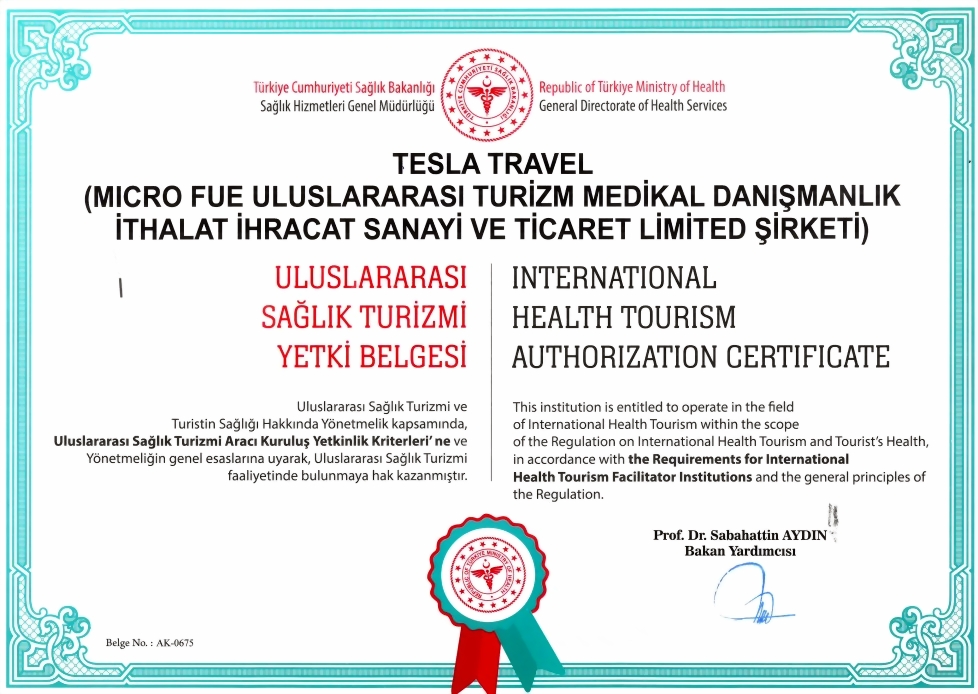
- Clinics should be licensed and regulated by the Turkish Ministry of Health, ensuring adherence to international medical standards. Beard Transplant Turkey
Specialization in Beard Transplants:
- Ensure the clinic specializes in facial hair transplants, as these procedures require precision to achieve natural-looking results.
- Surgeons with experience in creating facial hair symmetry and density are vital.
Before and After Photos:
Focus on patients with similar facial hair issues to yours for a better comparison.
Review real patient results and check their before and after photos to gauge the quality of their work.
Factors to Consider When Choosing a Clinic
Expertise of the Surgeon:
- Check the surgeon’s credentials, training, and years of experience in performing beard transplants.
- A board-certified, experienced surgeon will provide safer, higher-quality results.
Technology and Techniques:
- The clinic should be equipped with the latest technology and use advanced techniques like FUE for minimal scarring and faster recovery.
- Ask about the tools and methods they use for the procedure.
Personalized Treatment Plan:
- A reliable clinic will offer a personalized approach, designing a beard transplant plan tailored to your facial structure, beard goals, and hair type.
Costs:
Understand what the quoted price covers, including post-procedure care, medications, and follow-up appointments. Beard Transplant Turkey
While cost is a factor, avoid choosing a clinic solely based on the lowest price. Balance affordability with quality to avoid complications or unsatisfactory results.
Checking Credentials and Reviews
Verify Clinic Accreditation:
- Ensure the clinic is accredited and complies with Turkish healthcare regulations. Look for certifications from international medical organizations.
Surgeon’s Certifications:
- Check the surgeon’s certifications, affiliations with medical boards, and participation in relevant professional societies.
Read Online Reviews:
- Read patient reviews on trusted platforms such as Google, RealSelf, and forums related to hair and beard transplants. Beard Transplant Turkey
- Pay attention to feedback on the clinic’s service quality, the surgeon’s expertise, and the overall satisfaction of previous patients.
Patient Testimonials:
- Look for testimonials that detail the patient’s experience, especially in terms of communication, procedure comfort, and post-op care.
Third-Party Ratings:
- Check ratings from third-party medical tourism agencies, which often evaluate clinics on safety standards, facilities, and patient experiences.
By thoroughly researching and considering these factors, you can choose a reputable clinic in Turkey that offers high-quality, safe, and effective beard transplant services.
Benefits of Getting a Beard Transplant in Turkey
Before travelling for treatment, confirm appointment arrangements, aftercare, accommodation and transport directly with the provider.
Compare current written quotes and check exactly which services and follow-up care they include.
Ask which clinicians will assess and perform the procedure, and verify their qualifications through relevant official sources.
Ask which technique is proposed and what risks, recovery steps and follow-up apply to your case.
Results vary between individuals. Discuss realistic expectations, possible risks and suitable alternatives with a qualified clinician.
Understanding Beard Transplant Costs
The total cost can depend on the treatment plan, graft estimate, clinic and what is included.
Ask for a current written quote that lists the procedure, medications, follow-up and any travel services, if offered.
Prices change over time and differ by provider. Contact the clinic for a current quote rather than relying on older online price ranges.
Confirm which services are included and whether follow-up or additional care may incur separate charges.
Clinic Credentials and Treatment Information
Comprehensive Post-Operative Care: Turkish clinics often offer detailed aftercare plans, with follow-up consultations and instructions to ensure successful results and proper healing.
Ask which facility will be used and verify its registration or licence through the relevant official source.
Request the names, roles and qualifications of the clinicians involved, then verify these details independently.
Ask which technique is proposed and discuss its risks, aftercare and likely recovery with a qualified clinician. No method can guarantee an individual result.
Planning Travel for Treatment
- Ask the provider in writing whether accommodation, transfers or other travel arrangements are offered, and confirm any extra costs before booking.
- Plan travel around the appointment schedule and the aftercare instructions provided for your individual case. Do not assume sightseeing is suitable during recovery.
- Compare accommodation and transport options independently, and confirm cancellation terms before making non-refundable bookings.
- Before travelling, ask how follow-up questions and any concerns will be handled after you return home.
- Check current entry and visa requirements with the official government source for your nationality before booking travel.
When comparing providers in Turkey, review the proposed treatment plan, facility, clinician qualifications, written quote and follow-up arrangements. Plan travel only after confirming the details directly with the provider.